
A slab leak is a serious issue that occurs below the foundation of your home. Its location is one of the primary reasons it can take a long time to notice, and why you should deal with it quickly once you do. Learning the signs of a slab leak (and what to do if you suspect one) are the keys to preventing the problem from getting worse.
How extreme heat contributes to slab leaks in North Dallas
The extreme heat during a North Dallas summer can dry out expansive clay soil, causing it to contract as moisture evaporates. As the soil shifts, it puts stress on your plumbing system, especially underground pipes. Over time, this stress can crack pipes and lead to leaks.
Damaged and aging pipes are especially at risk, since corrosion and existing cracks create weak points. Combined with shifting soil, a leak under your foundation can quickly lead to more serious issues inside your home.
Potential damage and effects from slab leaks
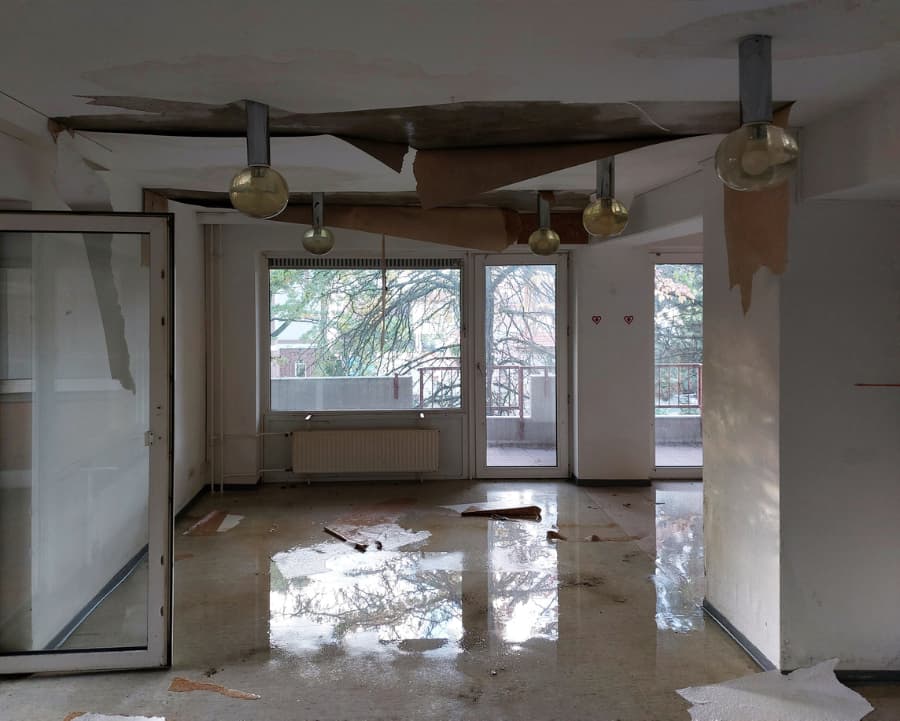
A slab leak can cause a wide range of household problems. Shifting soil puts pressure on your foundation, which can cause it to crack or flex — leading to flooring that lifts, swells, stains, cracks, or buckles. Carpeting may develop a musty odor, or you may notice damp spots that weren’t there before.
Because the soil is moving beneath the foundation, you may also see cracks in the drywall, particularly at the corners of walls and ceilings. Cracks can also appear around doors and windows, which may become harder to open and close.
When a slab leak affects your pipes, you may notice changes in how your plumbing functions, such as a drop in water pressure or slow drainage. A rising water bill with no clear explanation can also be a sign of a hidden leak.
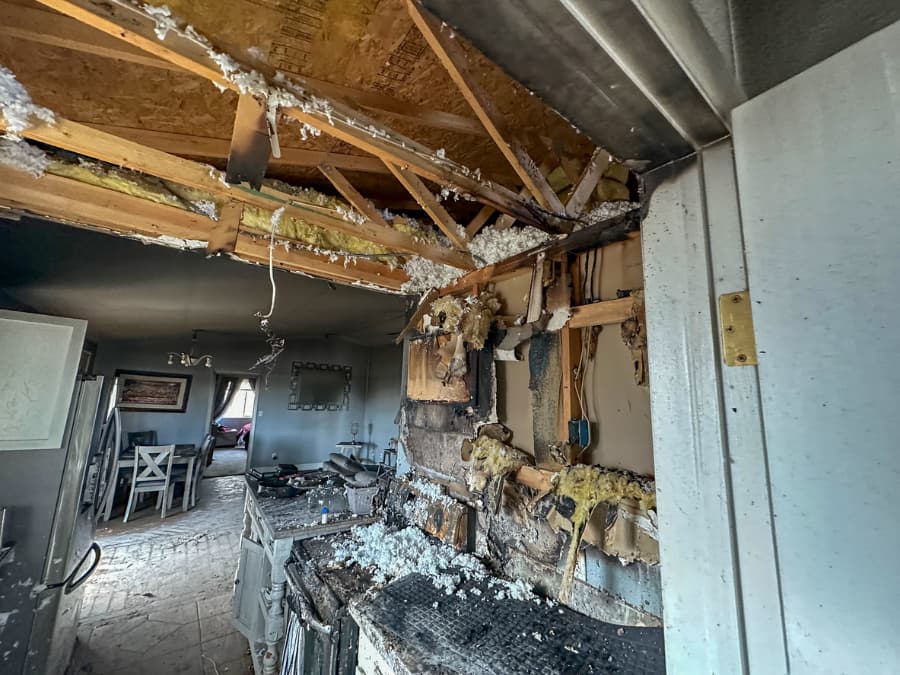
Damage underneath cabinets or behind baseboards can be especially hard to spot, and many homeowners only discover it during a remodeling project. A slow leak left unnoticed can lead to extensive long-term damage.
What to do if you notice water damage
If you notice signs of water damage, avoid touching or disturbing the affected area. Our team needs to inspect the space as-is to determine the severity of the problem and identify the source of the leak.
Trying to fix the issue yourself can accidentally make the situation worse. Document the damage with photos and videos so you have a record to share with your insurance company.
Don’t delay repairs or assume the damage isn’t serious. Slab leaks tend to worsen over time and can lead to further structural damage or mold growth. The longer a leak goes unaddressed, the more expensive it becomes to fix. One step you can take right away is turning off your home’s water supply. This simple action can help prevent the problem from getting worse until we can perform a full inspection and determine next steps.
How you can prevent slab leak water damage
Scheduling regular plumbing inspections is one of the best ways to catch a slab leak early. A professional plumber can check for warning signs like reduced water pressure or cracked pipes, which is especially important if your home has an older plumbing system.
- Cracks or other visible damage on your home’s foundation
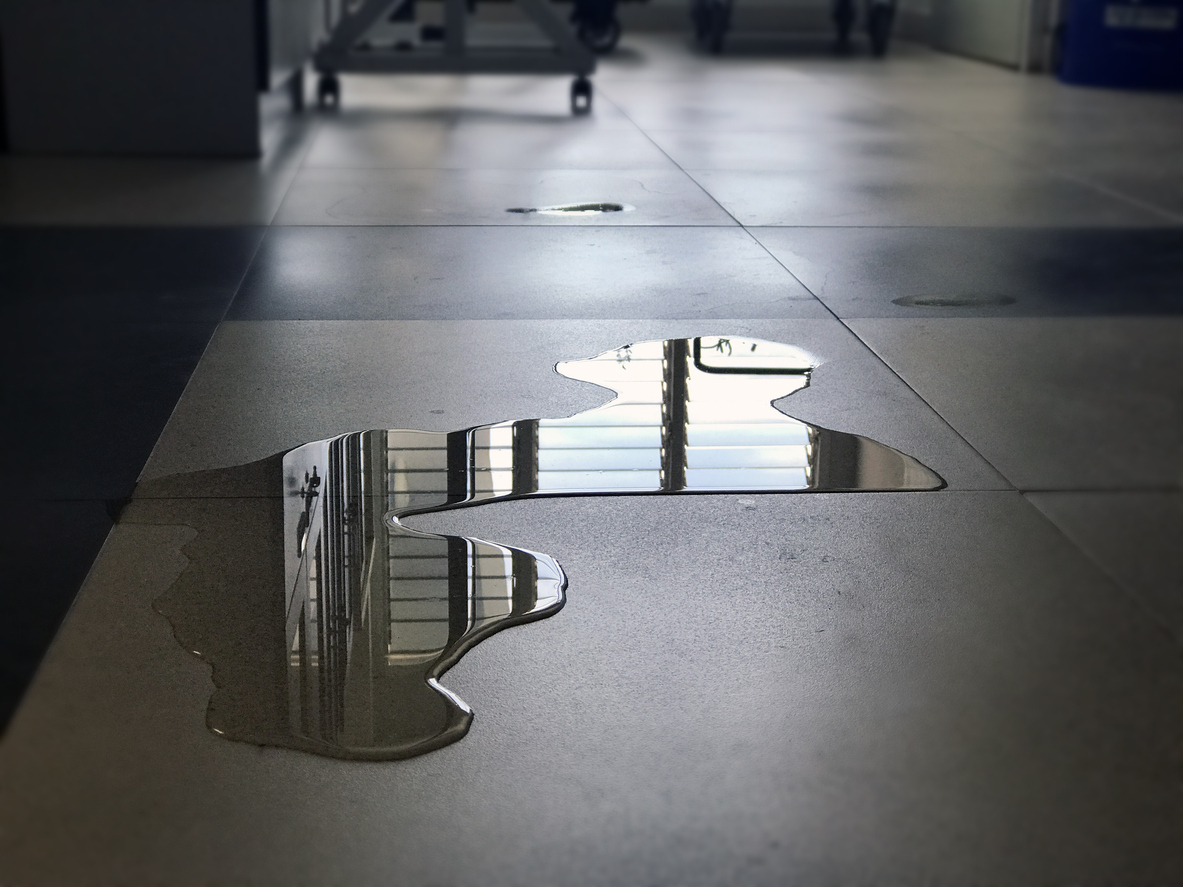
- Pooling water indoors or around the base of the house
- Warped, cracked, or buckling flooring
- Blistering, bubbling, or discolored walls
- A musty or damp odor in carpeted rooms
DIY vs. professional fixes
Homeowners should never attempt to fix a slab leak on their own. It’s a large-scale project that requires skilled professionals with the right tools to do the work safely.
It can be tempting to repair the visible damage, like cracked flooring or warped walls, without addressing the leak itself. But that only masks the problem temporarily; the slab leak will continue causing damage until it’s actually repaired.
How Paul Davis Restoration of North Dallas addresses slab leaks
Our team at Paul Davis Restoration of North Dallas takes a thorough approach when responding to slab leaks. We start by talking with you about what you’re experiencing, then inspect both the interior and exterior of your home.
If we determine you have a slab leak, we’ll walk you through the recommended next steps. A professional plumber will need to repair the leak itself before we can begin restoration work. This prevents the problem from recurring.
From there, our team handles comprehensive damage restoration, including removing water, sanitizing the area, eliminating odors, and making sure your space is safe. If mold is present, we’ll remove it carefully and strategically to protect your health and safety. Throughout the project, we’ll keep you informed of what to expect so you can plan accordingly.
We understand how disruptive a slab leak can be for homeowners, and how overwhelming the process can feel. That’s why we provide fast water cleanup and restoration services, support with filing insurance claims, and personalized guidance on preventing future leaks.
A slab leak happens out of sight, under your foundation. That means you need experts who can find and fix the problem quickly. Our skilled technicians bring extensive industry experience to every stage of the process, so you get high-quality help without delay.
When extreme heat and shifting soil put pressure on your plumbing system and a slab leak develops, we’re ready to help.
Contact Paul Davis of North Dallas today for comprehensive water removal and damage restoration.
Frequently asked questions about slab leaks
Slab leaks raise a lot of questions for homeowners, since the damage happens out of sight and can be easy to misread as an unrelated problem. Here are answers to some of the most common questions we hear about spotting, preventing, and repairing slab leaks in North Dallas.
How can I tell if a foundation crack is from a slab leak or normal settling?
Cracks from normal settling tend to be thin, stable, and don’t change much over time. Cracks caused by a slab leak are often accompanied by other symptoms happening at the same time, such as damp flooring, musty odors, or a sudden rise in your water bill. If you notice a crack along with any of these signs, it’s worth having a professional take a look.
How long does it typically take to repair a slab leak?
Timelines vary depending on the severity of the leak and the extent of any resulting water damage. A straightforward plumbing repair might take a day or two, but if restoration work is also needed for flooring, drywall, or mold, the full process can take longer. Our team will give you a clearer timeline once we’ve completed an inspection.
Will my homeowners insurance cover slab leak damage?
Coverage depends on your specific policy and the cause of the leak, so it’s best to check directly with your insurance provider. Keeping documentation, like photos and videos of the damage, can help support your claim regardless of what your policy covers.
Can I keep using water in my home if I suspect a slab leak?
It’s best to turn off your main water supply as soon as you suspect a leak, since continued water use can make the damage worse. Limiting water use until a professional can inspect the situation helps prevent the problem from spreading further under your foundation.
Is it normal for a home to have more than one slab leak over time?
Yes, especially in areas like North Dallas where extreme heat and expansive clay soil put ongoing stress on underground pipes. Homes with older plumbing systems are particularly susceptible to repeat leaks, which is why regular inspections are worth scheduling even after a previous leak has been repaired.