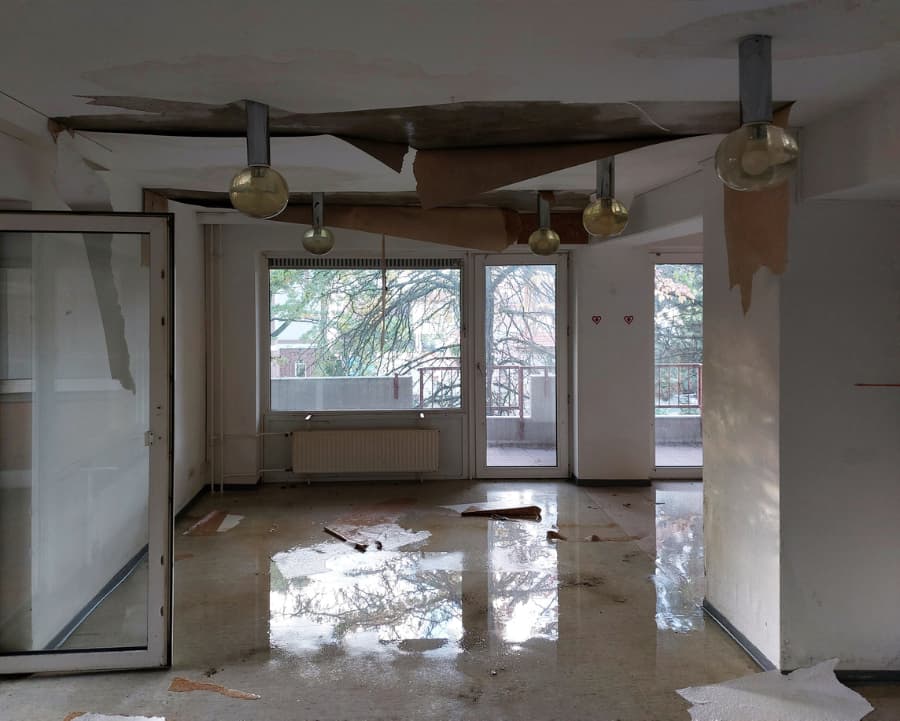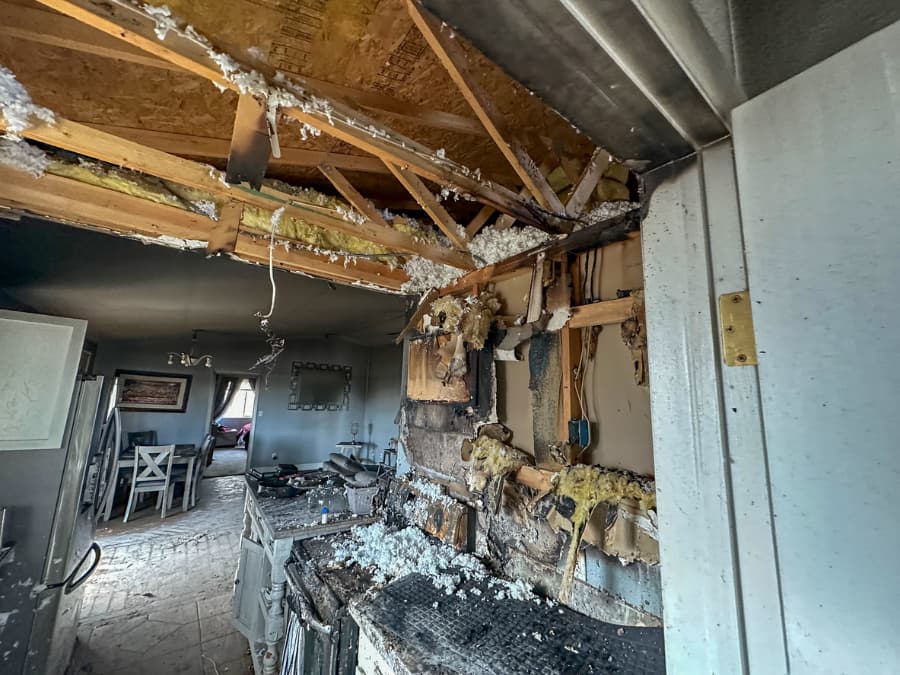
Leaks and flooding can happen in your home when you least expect them to, causing the build-up of mold and mildew, rotting, and structural issues. Water damage occurs for a multitude of reasons, including built-up gutters, damaged roofs and chimneys, cracks in your crawlspace, faulty appliances, broken pipes, and plumbing issues. Checking your home regularly can prevent this kind of water damage from developing, but there are also some other tips for ensuring your home is protected from flooding and leaks. Learn more about water damage prevention tips from Paul Davis Restoration.
Exterior Water Damage
Water damage can develop from issues on the outside of your home, such as clogged gutters or faulty chimneys. Cleaning gutters about once or twice a year can prevent the build-up of debris, which can damage your roof or the siding of your home. Loose or cracked chimney parts can also cause a plethora of issues, especially during heavy rain, including damage to attics, walls, and floors. Regularly inspecting and repairing your chimney can prevent water damage from occurring within your home.
Having your roof inspected and repaired can also deter water damage. Things like missing shingles and holes in your roof can lead to excess water damage directly in your home, so inspecting your roof regularly is incredibly important in order to avoid costly repairs. Removing debris from water spouts can also aid in preventing build-up, and pointing them away from your home can deter water from entering and flooding your home.
Crawlspace Water Damage and Appliances
Crawlspace flooding is a common occurrence that homeowners experience, but there are many ways to prevent it. Resealing your crawlspace can prevent leaks and flooding from seeping through old cracks in your foundation or floor. Make sure to keep an eye out for water seepage in your crawlspace, especially after some heavy rain. Installing a backwater valve is another great way to deter water or sewage from entering your crawlspace, as it allows sewage to flow out of the house while preventing it from coming back in.
Leaks and flooding can also be caused by faulty or broken appliances. For example, washing machines, water heaters, and AC units can easily leak from pipes, causing mold build-up and damage to wood floors. Taking the time to check appliances that use water, such as the following, can prevent water damage and costly repairs:
- Sinks
- Toilets
- Showers
- Dishwashers
- Washing machines
- Water heaters
- AC units
Broken Pipes and Plumbing
Broken pipes can be a serious issue if not taken care of immediately, leading to severely damaged walls or floors and extensive repairs. Knowing how to turn your water system off if a leak occurs can prevent further damage from developing, allowing you to quickly turn off the water before it floods your home. For less noticeable leaks, keep an eye out for spikes in your water bill. This could mean that you have a hidden leak somewhere in your home, allowing you to be proactive to avoid further water damage.
Other plumbing issues may cause water damage, as well. Things like pouring grease down your sink drain can easily lead to blockages and build-up. Cleaning your drain often can prevent build-up from occurring. One way to do this is by pouring boiling water into your drains, allowing blockages to be cleaned out and keeping your water running smoothly. Checking your water pressure can also ensure that water doesn’t damage your home, as high water pressure can put unnecessary strain on your pipes. To learn more about water damage prevention, contact Paul Davis Restoration, located in Carrollton, Texas, and serving North Dallas and surrounding areas.